
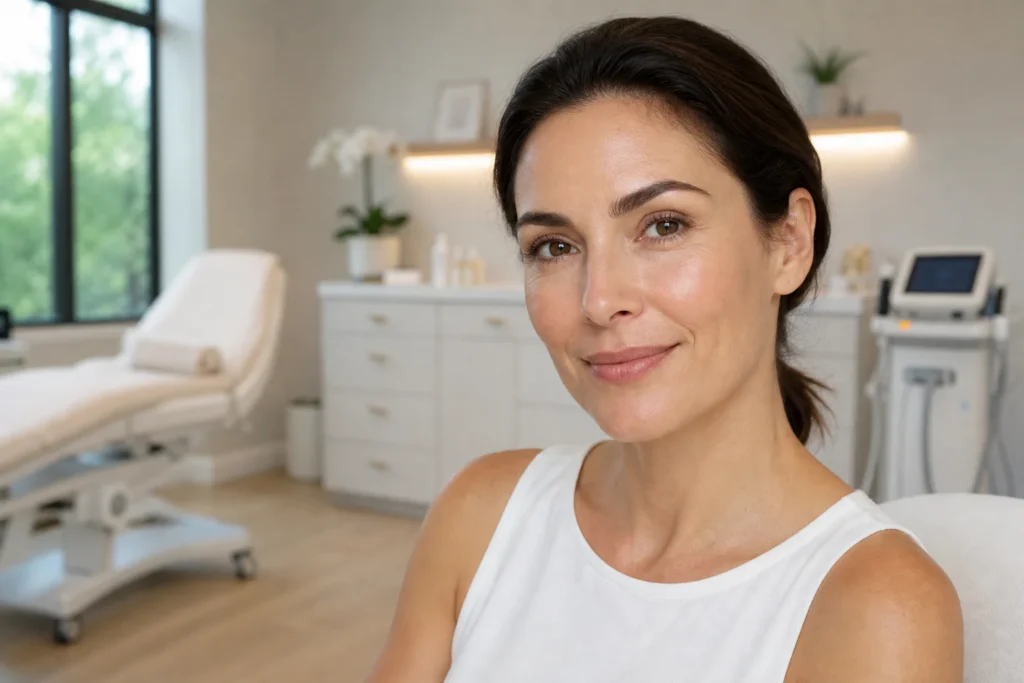
A glow peptide deep dive reveals why short-chain amino acid sequences have become the science-backed standard for skin rejuvenation. By targeting collagen production at the cellular level, a precisely formulated Peptides stack can visibly reduce fine lines, restore firmness, and improve overall skin health within weeks of consistent therapy.
By AH Clinics Team, Medical Aesthetics Specialists
What Is a Glow Peptide Stack, and Why Does It Matter?
A peptide stack is a curated combination of bioactive peptides selected to work synergistically on the same tissue target. For skin rejuvenation, the glow stack typically includes signaling peptides, carrier peptides, and enzyme-inhibiting peptides, each acting on distinct mechanisms of the skin renewal cycle.
Peptide therapy in aesthetics has matured considerably over the past decade. Rather than relying on a single compound, clinicians now build multi-peptide protocols that address collagen elastin networks, hydration, and cellular turnover simultaneously. The result is more comprehensive support for skin structure than any single-ingredient approach can provide. To understand how each component contributes, this glow peptide deep dive examines the clinical science behind the most commonly used compounds.
The Science of Collagen Production and Elastin Renewal
Collagen production is the foundation of youthful skin architecture. Type I and Type III collagen form the extracellular matrix, giving skin its tensile strength and resilience. As Dr. Mina Yaar and colleagues documented in the Journal of Investigative Dermatology (2002), intrinsic aging reduces collagen synthesis rates by approximately one percent per year after age 25, while degradation continues unabated.
Collagen elastin fibers work in tandem: collagen provides structure, and elastin provides recoil. When peptides signal fibroblasts to ramp up collagen production, elastin synthesis tends to co-occur because the same fibroblast cell population produces both proteins. This co-regulation is one reason a well-designed glow blend can produce visible lifting and firmness alongside improved skin texture.
Amino acids are the raw material for this entire process in the human body. Glycine, proline, and hydroxyproline are the three dominant amino acids in collagen's triple-helix structure. Without adequate circulating amino acids, even the strongest peptide signal cannot produce meaningful new collagen. Human fibroblasts also require sufficient enzymatic activity and micronutrient availability to convert that signal into measurable structural change, which is why clinical protocols often pair peptide therapy with systemic nutritional support.
Key Peptides in a Clinical Glow Blend
GHK-Cu (Copper Tripeptide-1)
GHK-Cu is among the most rigorously studied compounds in the aesthetic peptide category. Researcher Loren Pickart, writing in Biomedicines (2019), documented GHK-Cu's ability to stimulate collagen and glycosaminoglycan synthesis while also promoting tissue repair through anti-inflammatory signaling. The copper ion in GHK-Cu acts as a cofactor for lysyl oxidase, the enzyme responsible for crosslinking collagen and elastin fibers into a cohesive matrix, giving the skin its characteristic bounce and resistance to deformation.
Palmitoyl Pentapeptide-4 (Matrixyl)
Matrixyl mimics a fragment of collagen breakdown products, prompting fibroblasts to increase collagen production as if tissue damage had occurred. A double-blind study published in the International Journal of Cosmetic Science by Skovgaard et al. (2009) demonstrated significant increases in collagen content with consistent topical application over 12 weeks, confirming the efficacy of this signaling mechanism in a controlled clinical setting.
Argireline (Acetyl Hexapeptide-3)
For patients comparing neuromodulator options, the Botox Safety research breakdown offers useful context on how different compounds interact at the neuromuscular junction. Argireline works by interfering with neurotransmitter vesicle docking, softening repetitive muscle contractions that deepen fine lines over time. Unlike full neuromuscular blockade, Argireline produces a partial relaxation effect, making it a practical option for daily maintenance between clinical visits without risk of the muscle-atrophy concerns associated with higher-concentration injectables.
Tissue Repair Pathways Supporting Skin Structure
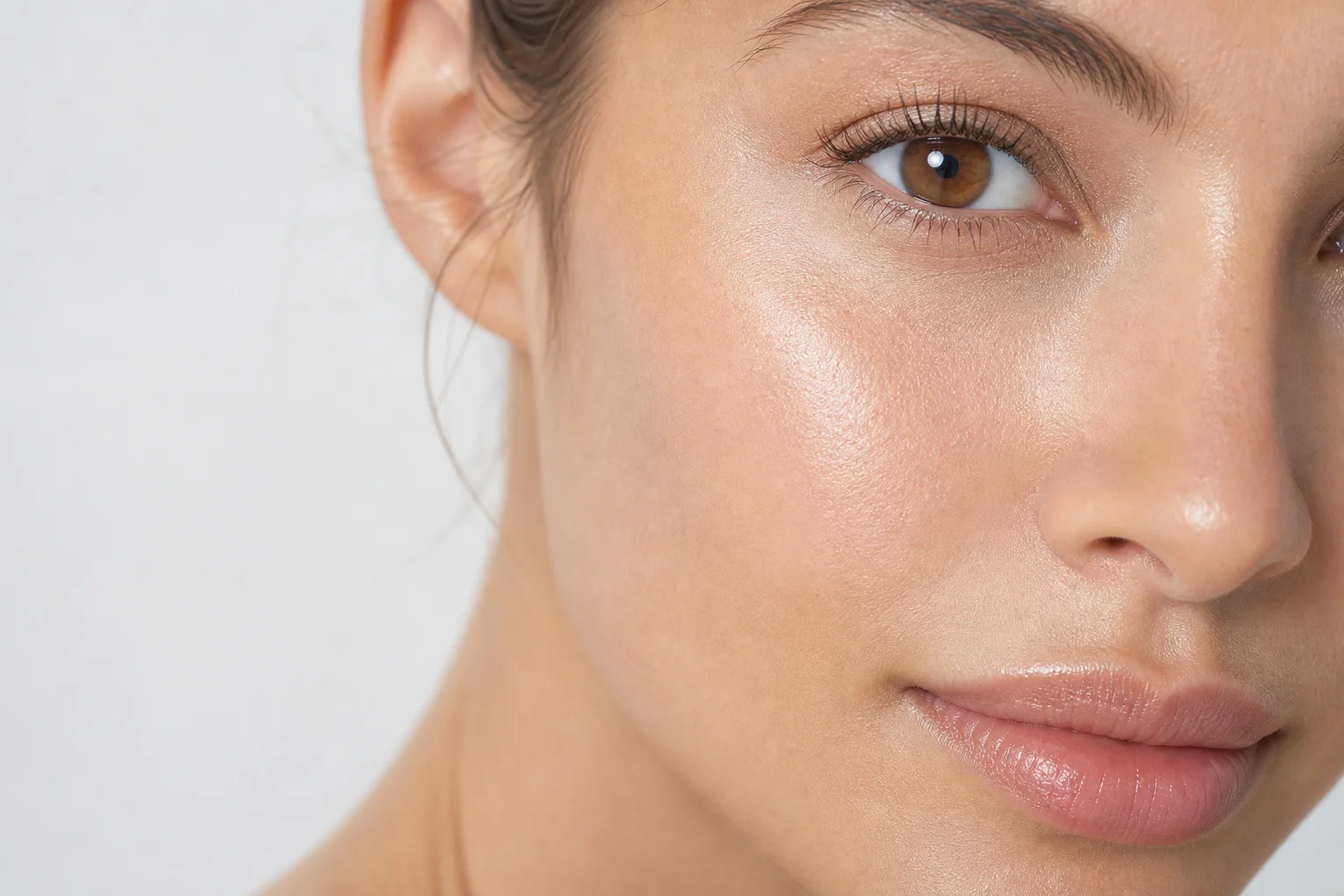
Tissue repair is not limited to wound healing. It is the continuous maintenance process that keeps the skin's collagen elastin matrix cohesive, hydrated, and resilient. Peptides modulate tissue repair through several overlapping biological pathways, and understanding these mechanisms clarifies why a multi-peptide glow blend consistently outperforms single-compound protocols.
Transforming Growth Factor-beta (TGF-beta) is a key mediator in this system. Certain peptides upregulate TGF-beta signaling, prompting fibroblasts to produce more collagen and fibronectin. At the same time, they suppress matrix metalloproteinases (MMPs), the enzymes responsible for degrading existing collagen. This dual activity, increased synthesis combined with reduced degradation, creates a favorable net collagen balance over time. Peptide-driven angiogenesis also improves microcirculation, delivering more oxygen and nutrients to the dermis and producing the clear, luminous quality patients associate with genuinely rejuvenated skin.
IV Therapy protocols complement topical and injectable peptide therapy by saturating the bloodstream with the amino acids and micronutrients the skin needs to complete the synthesis cycle. Without this systemic support, localized peptide signals may not convert into measurable structural change. Customized infusions at AH Clinics are formulated to reinforce skin health from the inside out, making them a natural companion to any serious peptide stack protocol.
Side Effects, Safety, and Patient Screening
Side effects of peptide therapy are generally mild when compounds are properly dosed and sourced from regulated compounding pharmacies. The most commonly reported reactions include temporary redness at injection sites, mild transient headache, and brief water retention during the initial titration phase. These reactions typically resolve within 24 to 48 hours and diminish as the body adjusts to the new protocol.
As our deep dive on Botox Safety illustrates for injectables broadly, the safety profile of any aesthetic compound depends heavily on clinical skill and compound purity. Peptides sourced from accredited compounding pharmacies carry a significantly lower contamination risk than unregulated online suppliers, and the combination of proper sourcing with clinical oversight is the primary determinant of a safe outcome.
Before initiating any glow peptide deep dive protocol at AH Clinics, patients complete a full medical intake and medication review. Individuals with autoimmune conditions or active malignancies require additional screening, as certain peptides with pronounced growth-factor activity carry contraindication considerations for those populations.
Frequently Asked Questions
How long does it take to see results from a glow peptide stack?
Most patients notice improved skin texture and hydration within three to four weeks of consistent peptide therapy. Visible changes in fine lines and skin firmness typically appear at the six to eight week mark, with continued improvement through the first three to six months as collagen production builds progressively in the dermis and elastin networks remodel.
Can peptide therapy be combined with Botox or fillers?
Yes. Peptides and neuromodulators target different mechanisms, making them complementary rather than redundant. Peptides support ongoing collagen production and tissue repair between appointments, while Botox addresses dynamic wrinkle formation. Patients who want to understand the full safety picture can review research data on Botox Safety before scheduling. Your provider will align timing and sequencing to optimize results.
What distinguishes a glow blend from a standard peptide protocol?
A glow blend is specifically formulated to address collagen elastin networks, skin hydration, and surface luminosity as a combination. It typically pairs GHK-Cu for tissue repair with a signaling peptide like Matrixyl for collagen synthesis and a relaxing peptide like Argireline for fine lines. This multi-mechanism approach produces more comprehensive skin health improvements than single-compound protocols.
Which amino acids matter most for collagen support?
Glycine, proline, and lysine are the three amino acids most critical to collagen's triple-helix structure. Vitamin C is a required co-factor for hydroxylating proline and lysine during collagen assembly, so many peptide protocols include an ascorbate component or recommend targeted dietary supplementation to maximize the collagen production response.
Is a glow peptide stack appropriate for patients in their 30s?
Peptide therapy is not age-restricted. Patients in their 30s often begin preventive glow stack protocols to slow structural collagen loss before visible aging accumulates, while patients in their 50s and 60s benefit from more intensive combination blends. Every protocol is tailored to individual skin health status, medical history, and aesthetic goals after a thorough clinical consultation.
Start Your Glow Peptide Protocol at AH Clinics
AH Clinics combines medical expertise with evidence-based peptide protocols to rebuild collagen production, sharpen skin health, and produce the visible luminosity that marks genuine rejuvenation. Book Now to schedule your personalized consultation and discover which glow peptide stack is the right fit for your skin.