

Specialty lab testing for hormones gives you a precise snapshot of where your hormone levels stand, which symptoms trace back to hormonal root causes, and which interventions are actually warranted. For patients experiencing fatigue, weight changes, or mood shifts, comprehensive hormone testing is the first step toward meaningful, science-backed care.
Specialty lab testing goes beyond the basic metabolic panel ordered during an annual physical. A comprehensive hormone panel evaluates dozens of biomarkers across multiple body systems, giving clinicians the data they need to connect symptoms to root causes rather than managing those symptoms in isolation.
Core markers typically included in a comprehensive hormone workup:
Sex hormones: Testosterone (total and free), estradiol, progesterone, DHEA-S, and sex hormone-binding globulin (SHBG) reflect reproductive and anabolic function in both men and women.
Thyroid markers: TSH, free T3, free T4, and thyroid antibodies (TPO and anti-thyroglobulin) paint a full picture of thyroid health rather than relying on TSH alone.
Adrenal markers: Cortisol (timed or 4-point salivary), DHEA, and aldosterone reveal how your adrenal glands respond to stress and regulate electrolyte balance.
Metabolic markers: Fasting insulin, HbA1c, and fasting glucose track how hormone imbalances intersect with metabolic risk.
Nutrient markers: Ferritin, vitamin D, B12, magnesium, and zinc levels are frequently ordered alongside hormone panels because nutrient deficiencies directly impair hormone synthesis and receptor sensitivity. Poor food quality and restrictive diets compound these deficiencies, making nutrient panels especially valuable for patients whose symptoms include persistent fatigue or hair thinning.
Why Standard Panels Often Miss the Full Picture
Standard lab reference ranges are built on population averages, not on what is optimal for a given individual. A result that reads normal on a standard panel may still leave a patient feeling far below their best.
Research published in the Journal of Clinical Endocrinology and Metabolism (Wartofsky and Dickey, 2005) presented a compelling case that conventional TSH reference intervals are too broad, leaving many patients in a normal range while still experiencing significant symptoms. Specialty lab testing addresses this by comparing results against functional optimal ranges rather than broad population cutoffs.
For patients with chronic fatigue, brain fog, or unexplained weight gain, this distinction matters enormously. Hormone specialists use specialty lab data to identify subtle imbalances that standard panels miss, directly informing decisions about medical treatment, lifestyle adjustments, and targeted products designed to support hormonal balance.
Thyroid Testing: More Than Just TSH
The thyroid gland controls metabolism, body temperature, energy production, and mood. Yet the most common thyroid test ordered in primary care is TSH alone, a pituitary hormone that signals the thyroid to produce more or less hormone. TSH tells you the brain is sending signals; it does not confirm that the thyroid is responding correctly or that conversion from T4 to active T3 is occurring in the body.
A comprehensive thyroid panel includes:
- TSH (thyroid-stimulating hormone)
- Free T4 (the storage form of thyroid hormone)
- Free T3 (the biologically active form)
- Reverse T3 (a competitive inhibitor that can block T3 receptors)
- TPO antibodies and anti-thyroglobulin antibodies (markers of Hashimoto's thyroiditis, the most prevalent autoimmune thyroid condition)
Symptoms such as persistent fatigue, cold intolerance, hair thinning, and constipation can all point to thyroid dysfunction that a TSH-only test would miss. Comprehensive thyroid lab work provides the full picture your care team needs to determine whether further support is appropriate.
When thyroid irregularities are detected alongside broader hormonal imbalances, the next step is often an evaluation for hormone replacement therapy to restore optimal hormone levels and bring the body back into balance.
Adrenal Function and the HPA Axis
The adrenal glands sit above each kidney and produce cortisol, DHEA, aldosterone, and adrenaline. Cortisol follows a diurnal rhythm, peaking in the morning and declining through the day. When chronic stress, illness, or poor sleep disrupts this rhythm, patients may experience what clinicians describe as HPA axis dysregulation: a pattern of abnormal cortisol output, disrupted sleep, and difficulty managing everyday demands.
A 4-point salivary cortisol test captures cortisol at waking, midmorning, afternoon, and evening, providing a real-time map of adrenal function across the full day. Blood-spot DHEA-S levels provide additional context, since DHEA is a precursor to both testosterone and estrogen and plays a meaningful role in immune regulation and body composition.
Understanding adrenal health is especially relevant for patients pursuing hormone replacement, weight loss programs, or peptide protocols. Adrenal dysregulation can blunt the results of any of those interventions if left unaddressed, making adrenal lab testing a key component of a thorough hormone workup.
How Specialty Labs Differ From Standard Clinical Labs
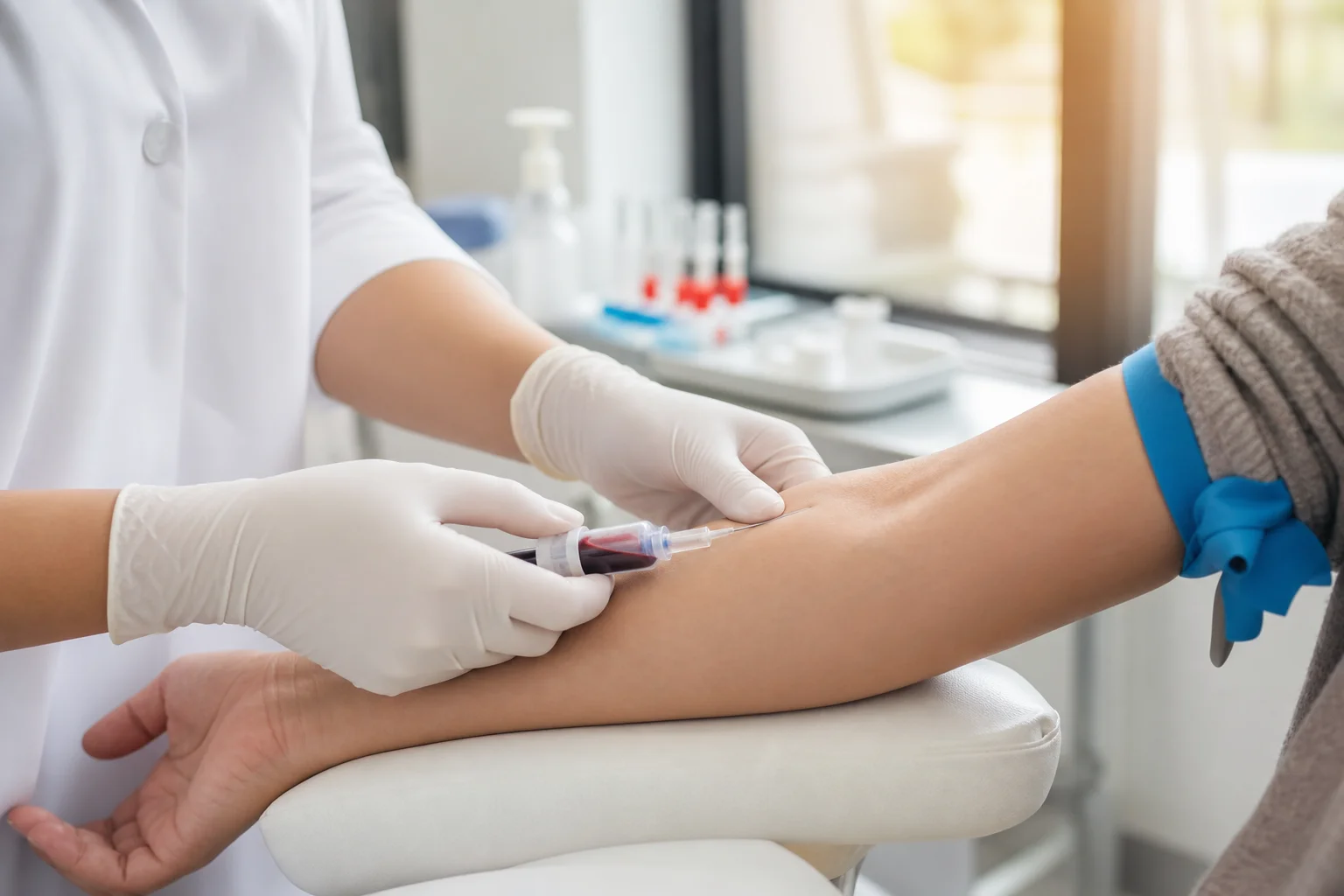
Specialty lab testing typically uses more sensitive assay technology, tighter quality controls, and broader panels than a standard hospital reference lab. Platforms such as Rupa Health allow clinicians to order panels from multiple specialty labs through a single interface, streamlining the process and reducing the need for multiple separate blood draws.
Key advantages of specialty lab testing for hormones:
- Broader scope in a single draw: One appointment can cover sex hormones, thyroid, adrenal, metabolic, and nutrient markers simultaneously.
- Functional reference ranges: Results are interpreted against optimal health ranges, not just pathological cutoffs.
- Consistent assay methodology: Reduces variability that can distort comparisons between draws over time.
- Clinician-guided interpretation: Results come with clinical context so patients understand what each number means for their ongoing care.
For patients in San Diego considering hormone-related medical services, comprehensive specialty lab testing is the standard first step. It provides objective data that guides personalized treatment planning and ensures that any products, supplements, or therapies prescribed are matched to your actual needs rather than generalized protocols.
To discuss your hormone health and get started with specialty lab work, contact the AH Clinics team directly at https://ah-clinics.com/contact/.
Frequently Asked Questions
Do I need a referral to get specialty lab testing for hormones?
At a dedicated hormone health clinic, a referral is generally not required. A clinician at the practice orders your panel based on your reported symptoms and health history, and results are reviewed during a follow-up consultation. The process is designed to provide direct access to comprehensive lab testing without unnecessary barriers to care.
How is specialty lab testing different from what my primary care doctor orders?
Primary care panels are designed to screen for disease at the population level. Specialty lab testing for hormones is designed to identify functional imbalances and nutrient deficiencies that fall short of a diagnosable disease but still affect energy, body composition, and daily wellbeing. The panels are broader, reference ranges are tighter, and clinical interpretation is more individualized.
How often should hormone levels be tested?
Most practitioners recommend a baseline panel followed by a retest three to six months after any intervention, whether hormone replacement, nutrition adjustments, or targeted supplementation. Frequency depends on your symptoms, your treatment plan, and how your hormone levels respond over time.
What symptoms suggest I should pursue hormone testing?
Persistent fatigue, unexplained weight gain or loss, brain fog, low libido, mood changes, hair thinning, poor sleep, and temperature dysregulation are common reasons patients seek hormone testing. These symptoms often overlap, and lab data helps confirm whether hormones are a contributing factor before treatment decisions are made.
Can specialty lab testing identify nutrient deficiencies alongside hormone imbalances?
Yes. Many comprehensive panels include micronutrient markers such as ferritin, vitamin D, magnesium, and B12 alongside hormone markers. Nutrient deficiencies directly affect hormone synthesis, metabolism, and receptor sensitivity, and addressing both together tends to produce better clinical outcomes than treating hormones in isolation.
Getting clear, objective data on your hormone health is the foundation of any effective treatment plan, and the AH Clinics team is ready to guide you through every step. Book your consultation today and find out exactly what your blood work reveals about your hormones, your health, and what your body needs to feel its best.