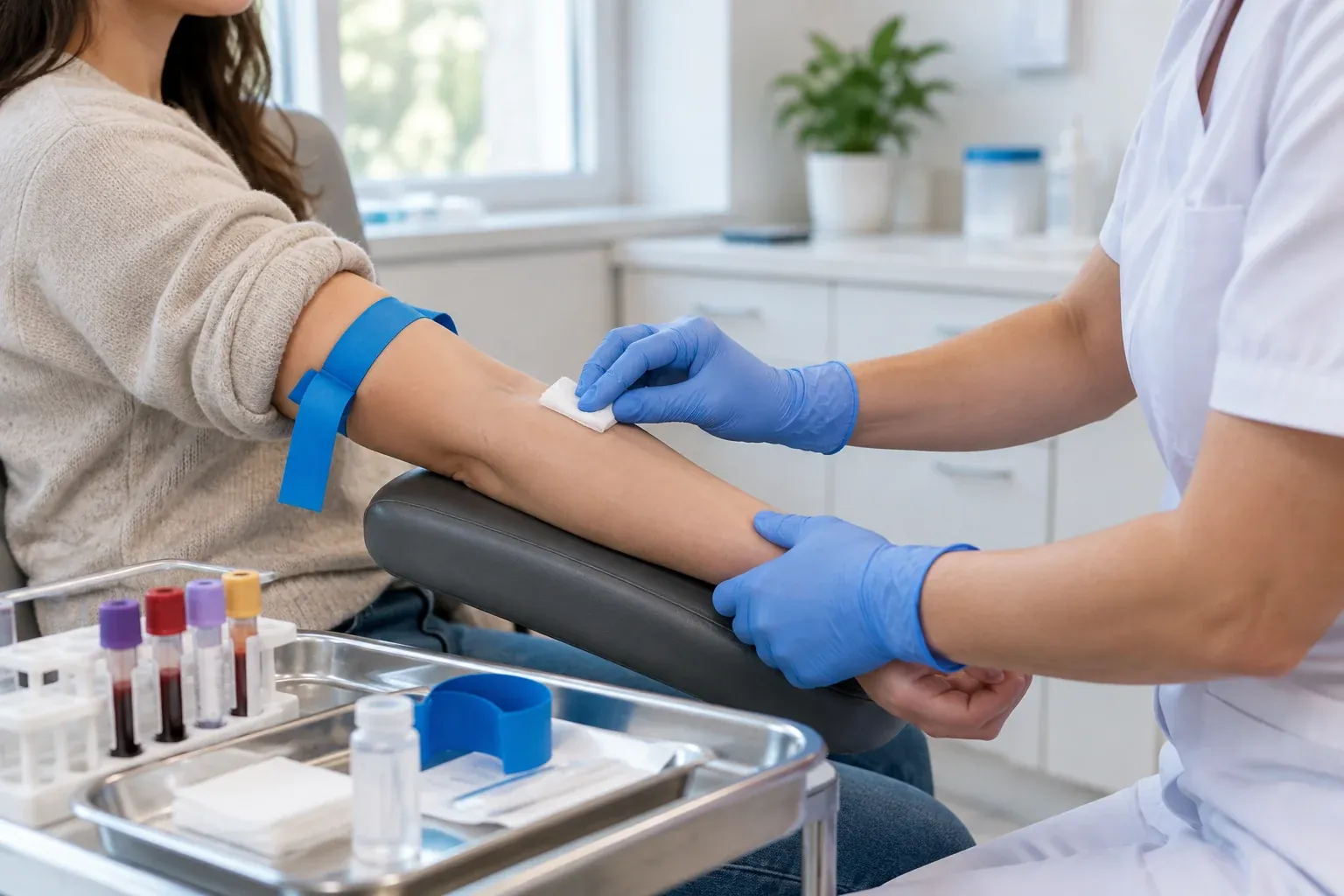

A TRT appointment in San Diego usually combines a symptom review, a blood draw and a provider visit, then repeats on a set rhythm. Knowing that rhythm lets you plan around work. Here is how a Testosterone Clinic typically handles lab cadence, monitoring visits and scheduling, so you can plan testosterone replacement therapy around a full work week.
By The Medical Team at AH Clinics, Licensed medical providers, San Diego
Medically reviewed by Dr. Kamron Mirkarimi, board certified, internal medicine.
What happens at a TRT appointment in San Diego?
Testosterone replacement therapy (TRT) is a form of hormone therapy for adults who have low testosterone and matching symptoms, including changes some people notice with aging. The first TRT appointment is an evaluation, often called a consultation. A licensed provider reviews your history, asks about symptoms and orders labs before anyone decides on treatments.
AH Clinics has operated in San Diego for 10+ years.
Providers do not diagnose low testosterone from symptoms alone. The Endocrine Society's 2018 clinical practice guideline recommends diagnosing it only when symptoms and consistently low morning blood levels agree, which is why a second draw is common.
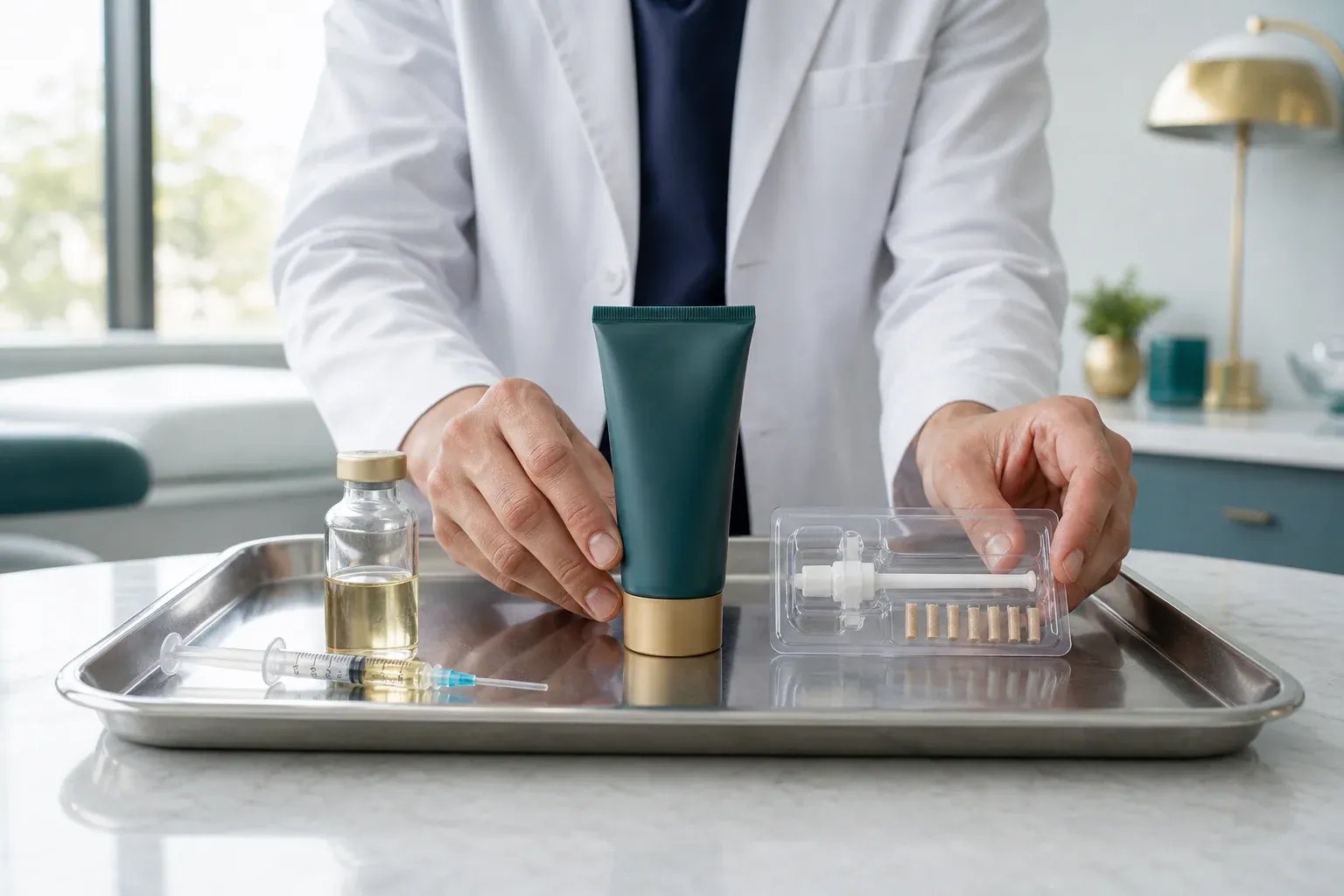
Across the field, testosterone therapy approaches differ: injections, gels and pellets each follow a different visit rhythm, so hormone therapy is never one fixed schedule.
How often are TRT appointments and lab draws needed?
Baseline labs come first. After testosterone replacement therapy starts, the Endocrine Society guideline suggests an early check at 3 to 6 months, then a yearly evaluation once things are stable. Providers can add visits sooner when labs flag a concern, when treatments change or when side effects show up.
A first visit usually covers:
- Symptoms such as fatigue, low libido, erectile dysfunction, low vitality, mood changes, loss of muscle mass and slower recovery from exercise
- Your medical history, current medications and lifestyle, including sleep, alcohol and activity
- A physical check and a blood draw, or a lab order to complete soon
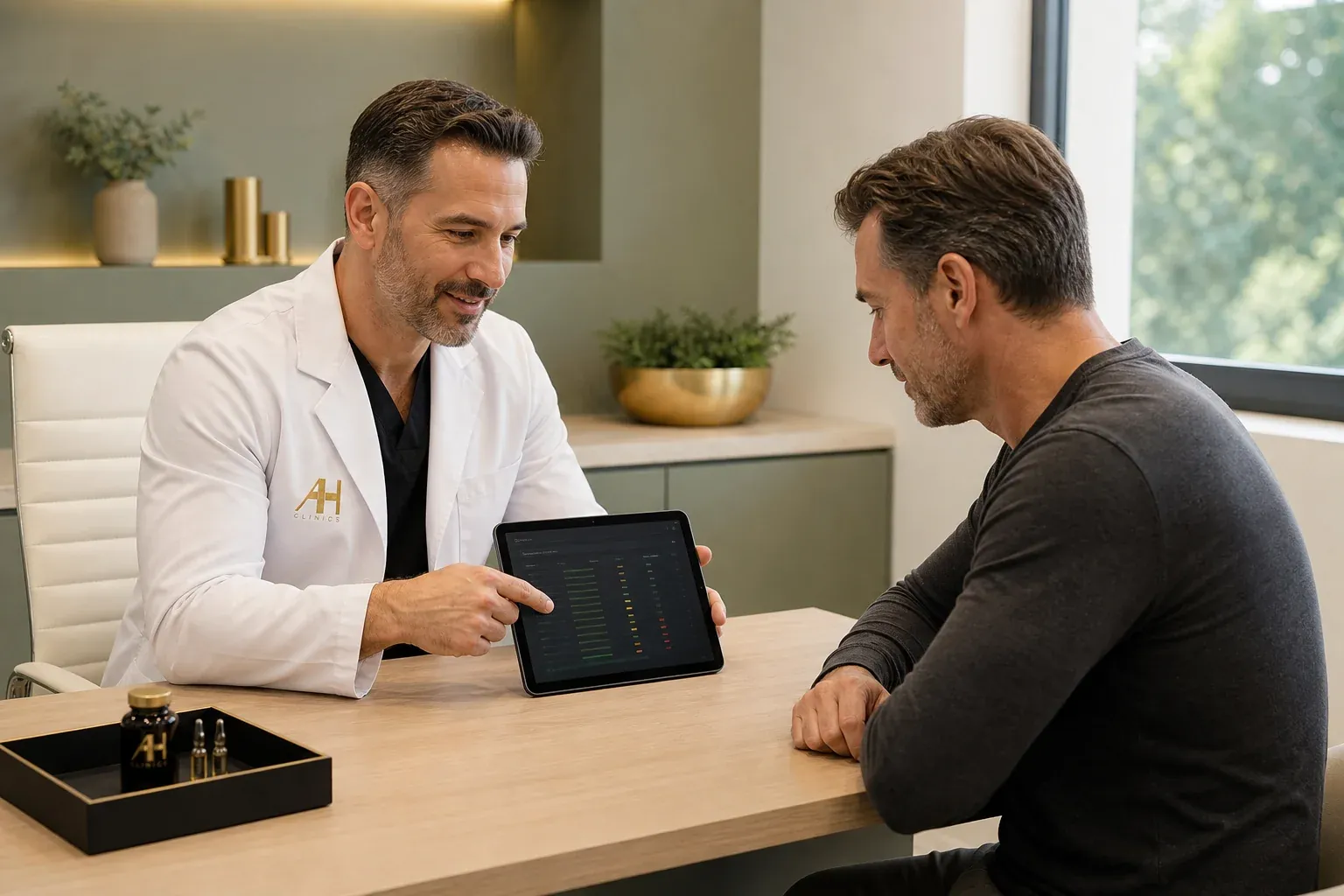
- A provider review of your testosterone levels and other hormone levels, then a plan that may or may not include testosterone replacement
Your provider sets the exact schedule, and some patients need closer checks for longer.
What blood work is checked at TRT monitoring visits?
TRT lab work tracks two things: whether treatment is reaching its goal and whether it is staying safe. Your provider chooses the panel. It may include total testosterone to follow your testosterone levels, hematocrit (the share of your blood made of red cells, which testosterone therapy can raise) and prostate-specific antigen (PSA), a prostate screening marker used in appropriate age groups.
Some providers also add estradiol, cholesterol, liver values or blood sugar. Monitoring visits also cover how you feel. Providers ask about libido, energy, vitality, sleep and mood, and they check for side effects such as acne, swelling, breast tenderness or changes in testicle size.
Some patients also follow body composition, meaning muscle mass and body fat, as part of the picture. Lab numbers never settle the plan alone; your provider weighs them with your symptoms and your hormone levels over time. Patients whose providers want a wider hormone and metabolic picture can also get specialty lab testing at the clinic.
Do I need to fast before TRT lab work?
Sometimes. Fasting means no food for a set period before the draw, and cholesterol and blood sugar results depend on it. Eating can also lower measured testosterone in some studies, and the Endocrine Society guideline suggests a fasting morning sample when diagnosing.
Your lab order states whether to fast; ask the clinic if the instructions are unclear.
What time of day is best for a TRT lab draw?
Morning, in most cases. Testosterone levels follow a daily cycle and are usually highest early in the day, so a morning draw gives the cleanest comparison. For monitoring, ask when the draw should fall relative to your last treatment, which matters most with injections, and keep that timing the same from draw to draw.
For a working patient, that points to the earliest weekday slot, and the clinic opens at 8AM on weekdays.
For planning, picture three phases:
- Baseline: a lab draw, then a provider visit to review results and decide on a plan
- Early monitoring: closer follow-up labs and appointments in the first months, on the schedule your provider sets, to confirm your hormone levels are moving where intended
- Maintenance: less frequent monitoring and a yearly review if your numbers, symptoms and muscle mass stay steady
How do I book a TRT appointment around a full work schedule?
A TRT appointment runs inside posted hours, 8AM to 5PM on weekdays. Early-morning and midday windows are the ones most workers can use, so ask what is open. Evenings and weekends fall outside current hours.
Can TRT follow-ups be done by telehealth instead of in person?
Possibly for some of them. A conversation to review results often needs no exam, so providers may handle part of a follow-up consultation by video or phone. Blood draws still happen at a lab, and the first evaluation and some monitoring steps may need an in-person visit.
Ask the clinic what it offers remotely. The tradeoffs between online and in-person TRT care come down to who orders labs, who examines you and who watches for side effects.
How far in advance should I schedule a TRT appointment?
Weekday-only hours mean slots can fill, so book the follow-up lab draw and visit before you leave your current appointment, and book the first evaluation as soon as you decide to go ahead with testosterone replacement. To see where a first visit fits in your week, select Book Now and pick a weekday time.
What happens if I miss a TRT appointment or monitoring lab?
Call the clinic as soon as you know, and reschedule. One missed visit is usually fixable, but monitoring exists because markers like hematocrit can shift without any symptom. Depending on how long the gap runs, your provider may want fresh labs to confirm your testosterone levels before continuing or changing treatments.
Does insurance cover TRT appointments and lab monitoring?
It depends on the plan, and the answer often differs between the visit and the labs. The AH Clinics site does not list pricing, so cost questions go to the clinic directly. Call your insurer and ask what it covers for testosterone replacement therapy evaluation visits and lab work, then ask the clinic what it bills and how.
Confirm before you start rather than assuming.
Start with the fixed facts. The clinic is open 8AM to 5PM, Monday to Friday, and closed Saturday and Sunday. Every visit and lab draw lands on a weekday. A few habits help:
- Book the lab draw for the first slot of the day when your provider wants morning timing
- Schedule the next monitoring appointment before you leave the current one
- Ask whether the draw and the provider consultation can share a trip, knowing results may need to come back before the review
- If your plan uses injections, ask whether doses are taken at home or at the clinic, since that changes how many trips you need
Frequently Asked Questions
What disqualifies you from TRT?
Providers screen for conditions that can make treatment unsafe or unsuitable, such as some prostate or breast cancers, very high hematocrit, severe untreated sleep apnea, or plans to father children soon, since TRT can lower sperm production. Your provider reviews your history and labs and decides whether TRT fits you.
Is it easy to get approved for TRT?
Approval is a medical decision, not a formality. A provider confirms symptoms, reviews repeat morning labs and weighs your health history before recommending anything. Some patients are advised to address other causes first, such as sleep, weight, medications or lifestyle habits.
How much does it cost to go on TRT?
The AH Clinics site does not list prices, so the clinic is the source for current figures. Cost depends on how many visits and lab panels your provider orders, the treatment approach and your insurance. Ask for a breakdown of visit, lab and treatment costs at your first appointment.
What are common signs of low testosterone?
Common signs include fatigue, low libido, erectile dysfunction, reduced muscle mass, more body fat, low mood, low vitality and trouble concentrating. Many of these also have other causes, such as aging, sleep problems, stress or medication effects, so symptoms alone cannot confirm low testosterone. Only a provider's evaluation and lab results can do that.
Start Your Hormone Workup at AH Clinics
Bring your work calendar and your questions about your hormones, energy and vitality to a first visit, and the team can help map lab draws and follow-ups onto your weekdays. To ask about visit types and lab timing, reach the team through Contact.
Low testosterone is diagnosed on bloodwork, not symptoms alone. A free consultation starts with the panel.